
 UrsulaAt the Bear Center, staff and volunteers worked hard expand Ted’s pen in one day so Ted could go back into it. They succeeded! The photos below show them working and Ted in his greatly expanded pen. Way to go!
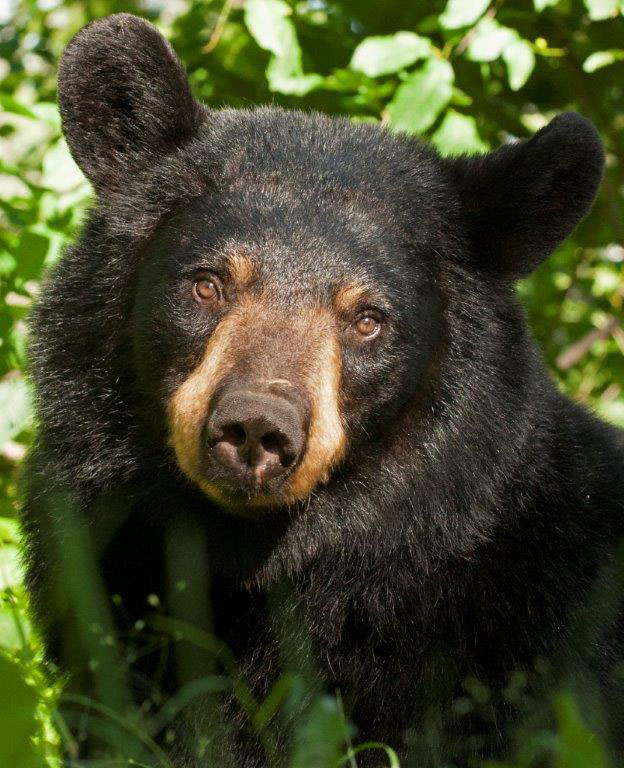
In the community, highlights were documenting locations of Fern, Sophie, and Ursula. All three are comfortable with us but wary of any unidentified sound. All three would have made great research bears. Despite their calm trust at community feeding stations, none has generated a single bear complaint that we’ve seen. All are likely pregnant and will probably den early. The photo shows Ursula’s face shedding into the short sleek fur that will soon replace the long fur on the rest of her body. Shedding starts on the face and ends with the fur down the spine. The last of the long fur on the back gives the appearance of raised hackles, which bears don’t do.
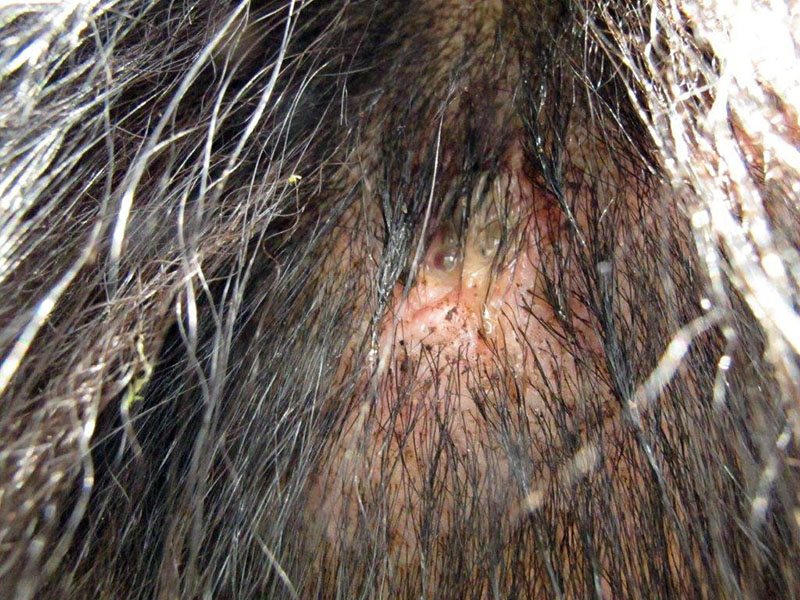 Fern's biteWhen we first saw Fern some days ago, we noticed what appeared to be wounds on her backside. She is now trusting enough for us to examine them. They are definitely bites. The photo shows the characteristic bite pattern of a tear with a puncture 2-3 inches away—not that different from the bite marks we see on trees and utility poles. We wonder if the reason we suddenly are seeing a lot of Fern lately is that she was funneled into this area by aggressive bears elsewhere. We often see dispersing males being funneled into residential areas where they may feel safer among people who don’t chase or bite like other bears may.
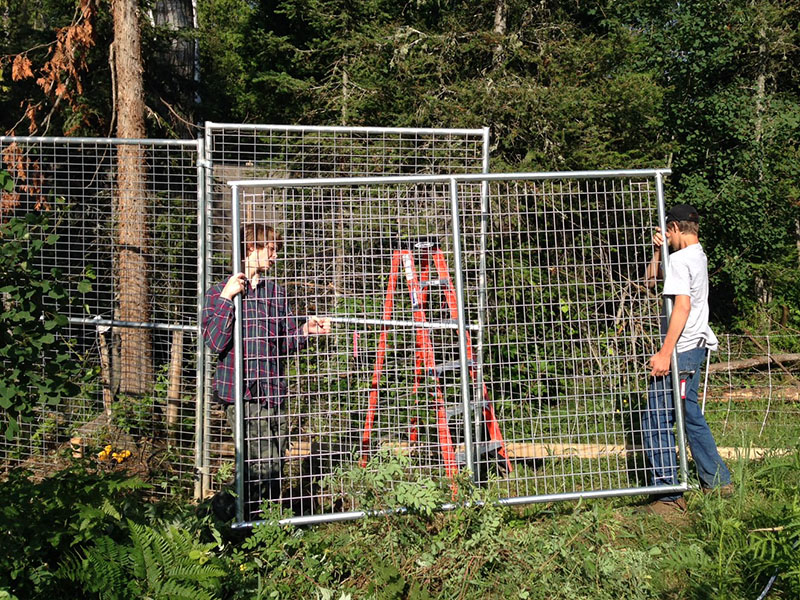 Volunteers at workBeing able to closely examine bears gives additional insight into the problems they face in trying to integrate into the bear social organization. What makes the examinations especially valuable is that interpretations are aided by our knowledge of each bear’s age, birthplace, birth territory, mother, sisters, brothers, neighbors, and the neighbors’ offspring. That long-term knowledge gave us greater insights into bear socialization than has been possible in any other study. The long-term study also is what made possible our access to key bears that learned to accept us over the years.
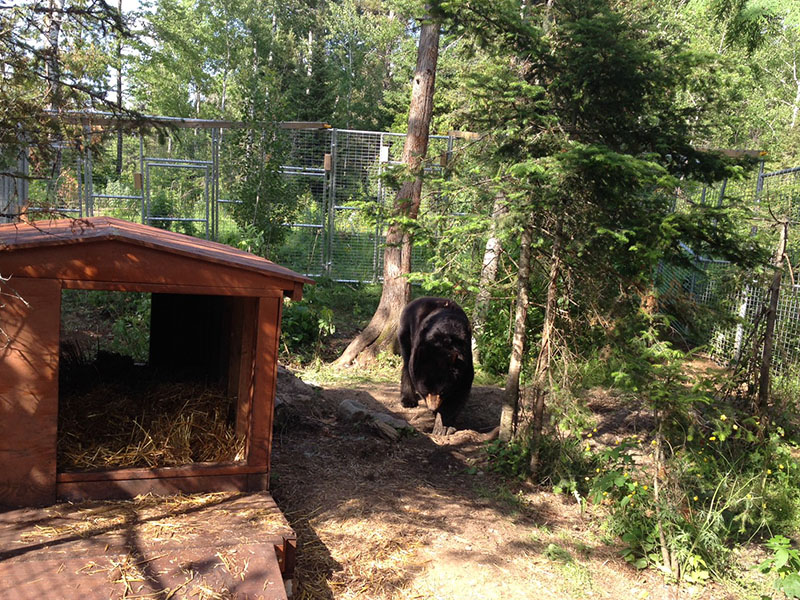 Ted explores his expanded enclosureWe have heard rumors that the DNR is attempting to trap a campground bear in Bear Head Lake State Park. Before June’s death, her territory nearly surrounded the campground but she never entered it. We suspect that June’s fiercely territorial behavior kept other bears from coming even close to it. We believe it is often better to learn to live with the bear you have than to kill an unending string of bears that are then free to occupy the area.
Investigative reporter Marshall Helmberger of the Ely Timberjay Newspaper dug into the DNR’s recent attempt to hurt the Bear Center and then deny they did so. The story is at http://timberjay.com/stories/Bear-Center-faces-challenges,11584.
Thank you for all you do.
—Lynn Rogers and Sue Mansfield, Biologists, Wildlife Research Institute and North American Bear Center
All photos taken today unless otherwise noted.